For Therapists:

Men’s Mental Health Tools

Men’s Relationship Struggles – How to Overcome Common Issues and Rebuild Connections

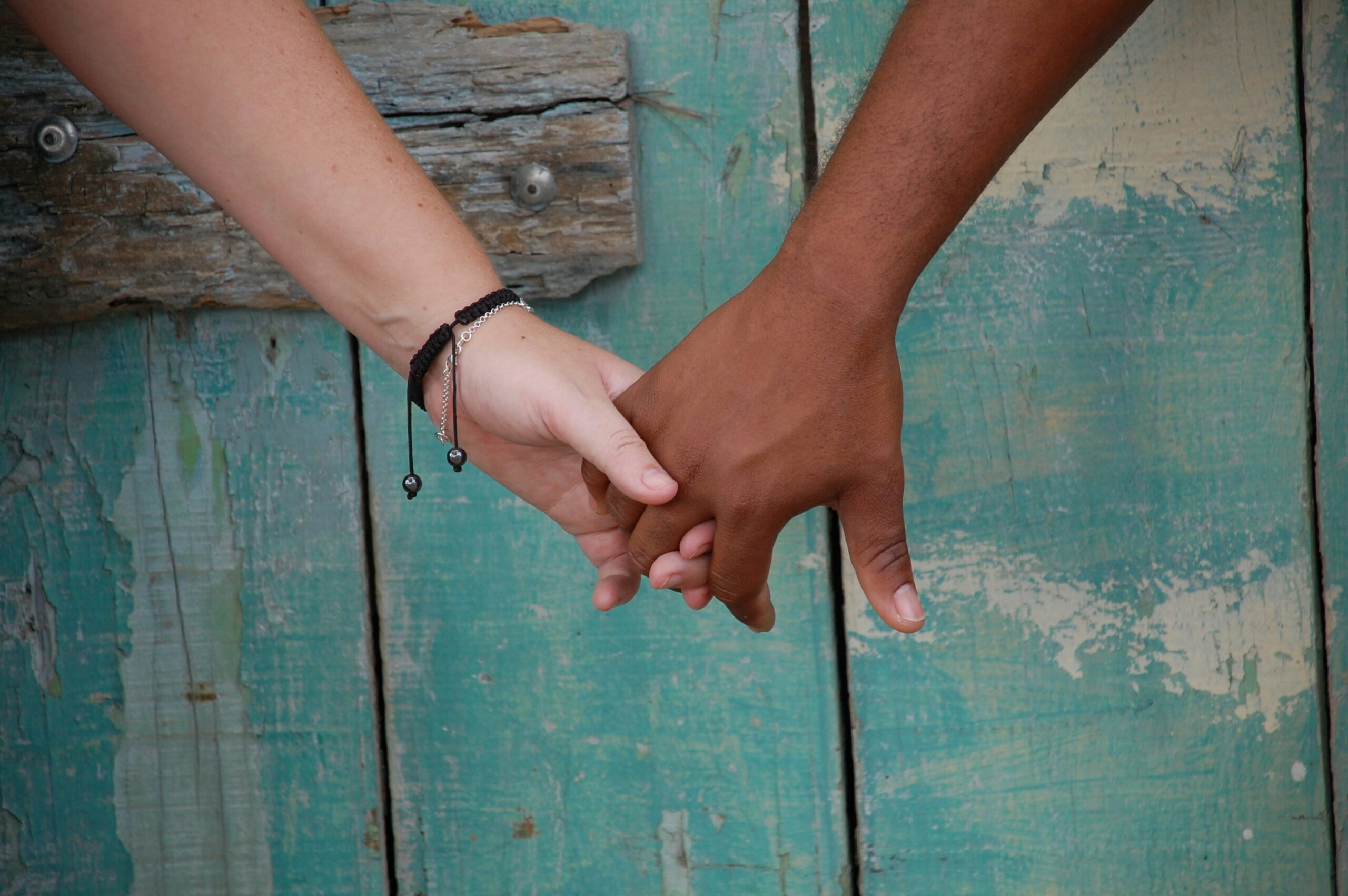
Close-up of two people holding hands against a rustic wooden background – symbolising trust, connection and emotional intimacy in men’s relationships

Why Do Men Struggle in Romantic Relationships?

Relationships can be one of the most rewarding parts of life, but they can also be one of the most challenging. They ask us to communicate honestly, manage conflict, trust another person and allow ourselves to be vulnerable. None of those things are particularly easy, especially if we’ve spent much of our lives learning to keep our emotions to ourselves.

Many men come to therapy believing they’re “bad at relationships”. More often than not, that’s not the case. What they’re struggling with are the skills relationships require. Like any skill, they can be learned and developed.

Why Relationships Can Feel Difficult

Every relationship is different, but many of the challenges men experience have less to do with their partner and more to do with how they’ve learned to relate to other people.

If you’ve grown up believing that being independent means solving your own problems, asking for emotional support can feel uncomfortable. If you’ve learned to avoid conflict, difficult conversations may feel threatening rather than productive. If vulnerability has always felt risky, opening up to someone you love can be one of the hardest things you’ll ever do.

None of these patterns develop overnight, and they rarely exist without a reason.

Communication Is About More Than Talking

One of the biggest sources of conflict in relationships is misunderstanding.

Many men don’t struggle because they have nothing to say. They struggle because they haven’t had many opportunities to practise talking about what’s happening emotionally. It can feel easier to stay quiet, hope the problem goes away or focus on practical solutions rather than discussing feelings.

The difficulty is that silence is often interpreted as distance.

Good communication isn’t about having the perfect words. It’s about being willing to share what’s going on, listening with curiosity and recognising that understanding each other is more important than winning an argument.

Conflict Isn’t Always a Bad Thing

Many people grow up believing that conflict is something to avoid. Others learn that disagreements are something to win.

Healthy relationships usually sit somewhere in the middle.

Disagreements are inevitable whenever two people share their lives together. What matters isn’t whether you argue, but how you argue. Feeling able to listen, take responsibility where appropriate and remain curious about your partner’s perspective can strengthen a relationship rather than weaken it.

Often, conflict isn’t the problem. It’s how we respond to it.

Emotional and Physical Intimacy

When people hear the word intimacy, they often think about sex. In reality, intimacy begins long before physical closeness.

It’s the experience of feeling known, accepted and emotionally safe with another person.

For many men, emotional intimacy can feel unfamiliar. If you’ve spent years hiding fear, sadness or uncertainty, allowing someone else to see those parts of you may feel uncomfortable. Yet those moments of openness are often what create the strongest relationships.

Being vulnerable isn’t about sharing everything all at once. It’s about gradually allowing another person to know who you are beneath the version of yourself you present to the world.

Building and Rebuilding Trust

Trust is built slowly through consistency.

It develops when our words match our actions, when we feel heard and when we know we can rely on one another. It can also be damaged by dishonesty, broken promises or experiences from previous relationships that make it difficult to feel safe again.

Rebuilding trust rarely happens through one conversation. More often, it’s a series of small moments where reliability, honesty and accountability begin to replace uncertainty.

Like most aspects of a relationship, trust grows over time.

How Therapy Can Help

Relationships have a way of highlighting parts of ourselves we might otherwise avoid. Old experiences, fears and patterns often become more visible when we’re close to another person.

Therapy provides an opportunity to understand those patterns rather than simply repeating them.

Together, you might explore why certain situations trigger strong emotional reactions, why communication feels difficult or why intimacy has become challenging. Rather than focusing on blame, therapy helps you understand how your experiences have shaped the way you relate to others and what you can begin to do differently.

Taking the First Step

Strong relationships aren’t built because two people never struggle. They’re built because both people are willing to keep learning about themselves and each other.

If you’re finding relationships difficult, it doesn’t necessarily mean you’ve found the wrong partner or that you’re incapable of having a healthy relationship. It may simply mean you’re carrying patterns that once helped you but no longer serve you.

Understanding those patterns is often the first step towards changing them.

Chris Hemmings is a BACP-registered therapist & coach who specialises in helping men work through challenges in their relationships.
 
For more insights, interviews and stories, explore our  Voices and Videos.

Popular & Recent

Select focus area
specialisms

Proud supporters of

How to choose a therapist:

If you’re reading this, there’s a good chance you’re thinking about starting therapy. Maybe for the first time. That’s no small thing. Getting to this point takes guts. Admitting that things might not be quite right and deciding to do something about it is a massive first step. So first off, well done.

We know choosing a therapist can feel overwhelming. There are a lot of options and it’s easy to get stuck not knowing where to start. That’s why we created our Get Matched service. It’s designed to take some of the stress out of finding the right person for you.

Still not sure who’s right? That’s okay. Here are a few things to keep in mind.

Work Out What You Need

Before anything else, try to get clear on what’s going on for you. Are you struggling with anxiety, depression, or something that feels harder to describe? Maybe it’s your relationships or how you see yourself. Whatever it is, having a rough idea of what you want to work on can help guide your search.

Some therapists specialise in certain areas. Others work more generally. If you’re not sure what you need, ask. A good therapist will be honest about what they can help with.

Think About What Makes You Comfortable

Therapy only works if you feel safe enough to talk. So the relationship matters. Here are a few questions to help you figure out what feels right.

  • Would you rather speak to someone from your own home, or in-person somewhere else?

  • Do you feel more at ease with someone who listens quietly, or someone who’s more direct?

  • Would you benefit from seeing someone who understands your background or lived experience?

There are no right answers here. Just what works for you.

Look Beyond the Letters

Every therapist listed on Men’s Therapy Hub is registered with a professional body. That means they’ve trained properly, they follow a code of ethics and they’re committed to regular supervision and ongoing development. So you don’t have to worry about whether someone’s legit. They are.

Instead, focus on what else matters. What kind of therapy do they offer? What do they sound like in their profile? Do they come across as someone you could talk to without feeling judged?

Try to get a sense of how they see the work. Some will be more reflective and insight-based. Others might focus on behaviour and practical strategies. Neither is right or wrong. It’s about what speaks to you.

Test the Waters

Many therapists offer a free or low-cost first session. Use it to get a feel for how they work. You can ask about their experience, how they structure sessions and what therapy might look like with them. A few good questions are:

  • Have you worked with men facing similar issues?

  • What does your approach involve?

  • How do your sessions usually run?

Pay attention to how you feel during the conversation. Do you feel heard? Do you feel safe? That gut feeling counts.

It’s Okay to Change Your Mind

You might not get it right the first time. That’s normal. If something feels off, or you don’t feel like you’re making progress, it’s fine to try someone else. You’re allowed to find someone who fits. Therapy is about you, not about sticking it out with the first person you meet.

Starting therapy is a big decision. It means you’re ready to stop carrying everything on your own. Finding the right therapist can take time, but it’s worth it. The right person can help you make sense of things, see patterns more clearly and move forward with strength and clarity.

You don’t have to have all the answers. You just have to start.

 Send message to

Full Name *
Your Email *
Mobile Number
Preferred Contact Method
Reason for reaching out *

Your message will be sent directly and confidentially. Men’s Therapy Hub does not store the content of your message. For more details, please see our Privacy Policy.

About our therapists

At Men’s Therapy Hub, we understand that finding the right therapist is an important step in the journey towards better mental health. That’s why we ensure that all our therapists are fully qualified and registered with, or licenced by,  a recognised professional body – guaranteeing that they meet the highest standards of training and ethics in their private practice. This registration or licence is your assurance that our therapists are not only appropriately trained,  but also bound by a code of conduct that prioritises your well-being and confidentiality. It also ensures they are engaging in continual professional development.

We know that therapy starts with finding the right therapist so MTH offers clients a wide range of choices to ensure they find the therapist that best suits their individual needs. Flexible options for therapy sessions include both online and in-person appointments catering to different preferences and lifestyles. In addition, therapists offering a variety of approaches are available – enabling clients to choose a style that resonates most with them. Whether seeking a therapist nearby or one with specific expertise, Men’s Therapy Hub ensures that clients have access to diverse and personalised options for their mental health journey.

All the therapists signed up to MTH are not just experienced practitioners but professionals who recognise the unique challenges that men face in today’s world. Our therapists offer a wide range of experiences and expertise meaning clients can find someone with the insight and experience to offer them relevant and effective support.

Furthermore, MTH will aid our therapists to engage in Continuing Professional Development (CPD) specifically focused on men’s mental health. This will include staying up-to-date with the latest research, therapeutic approaches and strategies for addressing the issues that affect men. We’ll also feature men out there, doing the work, so we can all learn from each other. By continually developing their knowledge and skills, our therapists are better equipped to support clients in a way that’s informed by the most current evidence-based practices.

If you’re ready to take the next step towards positive change we’re here to help. At Men’s Therapy Hub, we’ll connect you with an accredited experienced male therapist who understands your experiences and is dedicated to helping you become the man you want to be

Our mission statement

Men were once at the forefront of psychotherapy, yet today remain vastly underrepresented in the field. Currently, men make up around a quarter of therapists and less than a third of therapy clients globally. We hope that Men’s Therapy Hub will help to normalise men being involved in therapy on both sides of the sofa.
More men are seeking therapy than ever before, but we also know that dropout rates for men are exceedingly high. Feeling misunderstood by their therapist is one of the key factors affecting ongoing attendance for men. That’s why our primary function is helping more men find good quality male therapists they can relate to.
We know that men face unique challenges including higher rates of suicide, addiction and violence. Research shows that male-led mental health charities and male-only support groups are showing positive results worldwide, so we’re committed to building on that momentum.
Our mission is twofold: to encourage more men to engage in therapy whether as clients or therapists and to create a space where men feel confident accessing meaningful life-changing conversations with other men.

We hope you’ll join us.

Let's get you started:

Where are you based?

What do you need help with?

Get Matched

Use our filter tools to narrow down your options

Type of Session

Type of Session

Location

Price per session

Price per session - slider
£0£150

What do you need help with?

Select some options
specialisms

Therapy Types

Select some options
Therapies Offered

Your Age

Age

Therapist Ethnicity

Preferred Language