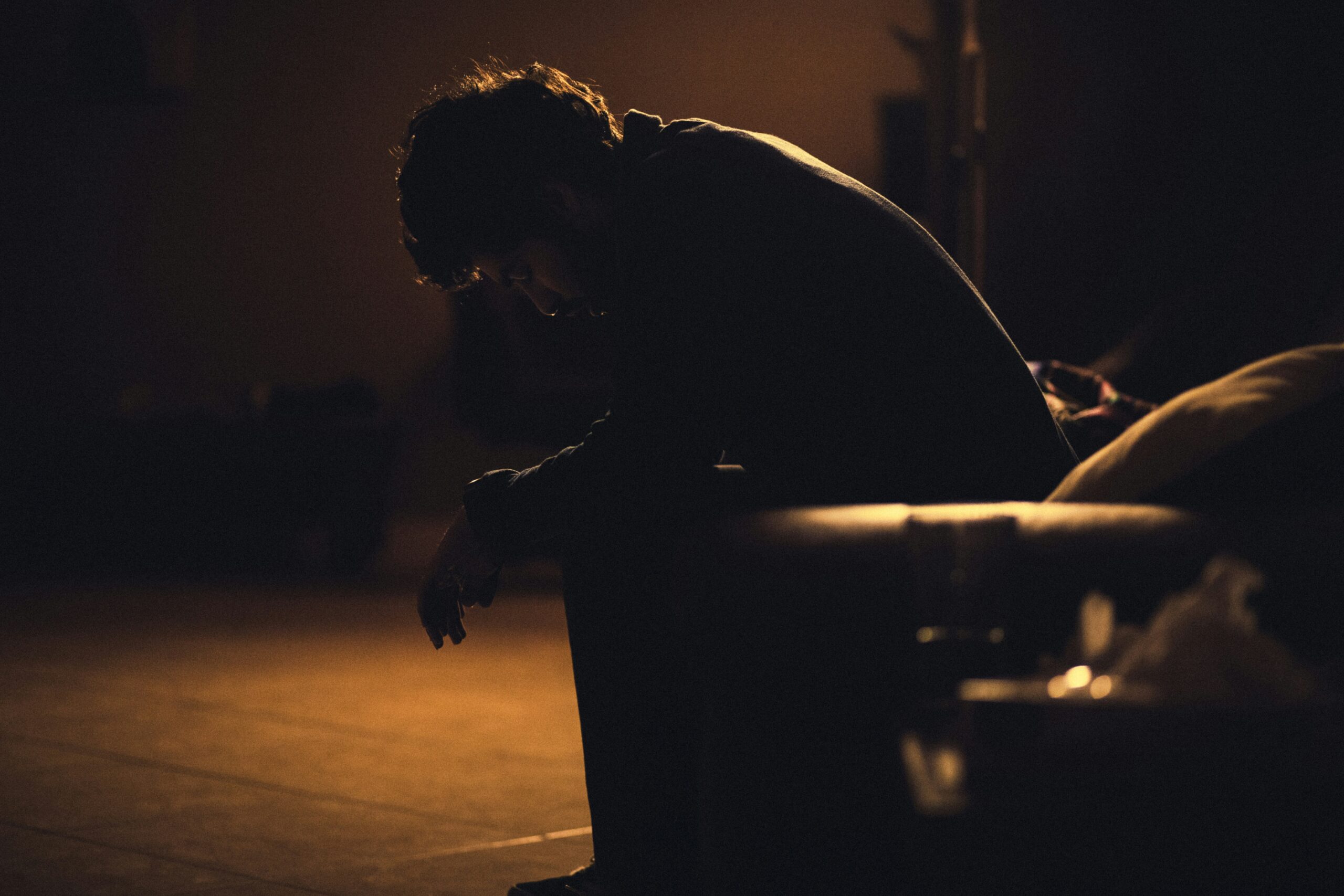
We have all heard it, the quiet rule written into boyhood: Boys Don’t Cry.
Do not talk too much about what hurts. Do not let anyone see you fall apart. For many men, those lessons never fade; they just grow quieter, finding new ways to show up in adulthood and in men’s mental health.
It is not that men do not feel deeply, they do. It is that many never learned how to feel safely in front of someone else. When emotions rise, a man might retreat to the garage, go for a drive, lose himself in a hobby, or spend time with friends. To some, it looks like avoidance, but often it is regulation, a way of finding calm when the world feels too heavy or when there is no space to talk.
Men crave connection and understanding, but vulnerability requires safety. And for many, even in loving relationships, that safety is not always there. The fear of being misunderstood, judged, or seen as weak can make silence feel easier than honesty.
The Weight of Expectation on Men
Throughout history, men have been portrayed as the stronger sex, the protector, the fighter, the one who makes things safe; the provider. Those roles were never just practical; they became part of a man’s identity. To be a man meant to endure, to carry, to keep others safe even when you were breaking inside.
That responsibility shapes a man’s way of being. It teaches him that his value lies in what he can do, not in who he is. Love is often proven through service, not softness. And when life gets hard, he does not always know how to ask for help, because somewhere deep down he believes he is supposed to handle it alone.
When Effort Goes Unseen
Being a man is not easy. There is an expectation, both spoken and unspoken, to be strong, stable and composed. To protect, provide and persevere, even when the weight feels unbearable. Strength becomes the language men are allowed to speak, but it leaves little room for uncertainty or fear.
When a man feels unsupported or unappreciated by his partner, it cuts deep. So much of a man’s self-worth is tied to what he gives: his protection, his work, his reliability, his consistency. When those efforts go unseen, it quietly breaks him. Most men will not say it out loud. They will keep showing up, doing what needs to be done, carrying the weight as best they can. But inside, something starts to shut down.
The Pain of Not Feeling Seen
What makes it even harder for men, especially when trying to communicate, is the feeling of not being respected, valued or loved. To speak and not be heard, to reach out and feel unseen, can be devastating. Respect, for many men, is the language of love. When it is missing, they often interpret it as rejection.
In those moments, a man might stop trying to explain how he feels, not because he does not care, but because it hurts too much to keep being misunderstood. Silence becomes self-protection, not avoidance, but a shield against further pain.
When Vulnerability Hurts
I had a client recently who shared something deeply vulnerable with his partner. He opened up about something raw and honest, and her response was to tell him how inadequate he was. For him, that moment was crushing. After gathering the strength to be open, he was met not with understanding but judgment. And so he shut down.
When men grow up with early wounding, in homes where emotional neglect, aggression or dysfunction were normal, experiences like that hit especially hard. They reinforce the old message: keep it in, stay strong, do not let them see your weakness. Every attempt to be emotionally open carries that childhood risk, the fear of being shamed, dismissed or made to feel small. And so, men learn to live behind emotional walls.
The Role of Pride – The Survival Self
Another challenge lies in pride, not arrogance, but protective pride. From a psychosynthesis perspective, it can be seen as the survival self, the part of a man that says, I will be fine. I can handle it. I do not need help. That voice often forms in boyhood, when strength was the only safe response to chaos or emotional neglect.
Some men grew up supporting their mothers after a family separation, carrying adult burdens long before they were ready. Others had fathers who ruled through aggression or silence. In those homes, vulnerability was not just discouraged; it was dangerous. So they learned early: stay strong, stay quiet, do not need anyone.
That same survival self follows them into adulthood and relationships. It keeps them steady but also trapped, unable to admit when they are tired, overwhelmed or lost. False pride tells them that asking for help is failure, when in truth, it is one of the most courageous things a man can do. True pride, healthy pride, is grounded in integrity and responsibility, not denial.
The Courage to Seek Help
It is not easy for most men to come to therapy, to admit that they cannot cope or that they are struggling. Saying I need help can feel like failure, because a man’s worth is often measured by how much he can carry on his own. In many cultures, therapy is seen as weakness, and stigma or shame can make it even harder to reach out.
Yet when that space is safe, when a man is met with respect rather than pity, something extraordinary happens. He begins to see that vulnerability is not the opposite of strength, but part of it. Asking for help does not make him less of a man; it makes him more whole. For many, working with a trained therapist is the first time their inner world, their story and their pain are fully heard.
Learning to Be Seen
For men, it is vital to learn how to be seen. Not through control or performance, but through vulnerability, through the courage to show who we really are. That means expressing needs without shame, and holding boundaries that protect our sense of self. It means not fearing abandonment so much that we abandon ourselves, not fearing rejection so deeply that we reject ourselves first, not numbing out from loss so completely that we lose touch with who we are.
True growth begins when men learn to take care of themselves, to tend to the parts that have struggled and stayed silent for far too long. It is about becoming the parent we might never have had: one who listens, supports and reminds us that it is okay to feel, to rest and to be human, fully felt and fully seen.
Recommended Support Groups for Men
MenWalkTalk – Groups that combine walking and open conversation for men’s mental health, providing connection outside a formal therapy setting.
https://www.menwalkingandtalking.co.uk/
Men Who Talk – A UK-wide charity offering free peer-led online groups where men can talk honestly in a safe space.
https://menwhotalk.org/
Chris Ambrose is a Psychosynthesis transpersonal and integrative Psychotherapist, Life and Leadership Coach and NLP Master Practitioner with a special interest in relationship issues. Accredited member of UKCP. Website: https://chrisambrosetherapy.com